Every year, there are a few rule changes in professional football. The NFL is constantly looking for ways to make the game better, whether that’s through safer methods, fairer rules or things they want to legislate out of the game.
Many of these rules aren’t the ones fans really want. For example, the NFL still hasn’t cleared up what a catch is. It hasn’t eliminated the touchback fumble out of the end zone, nor has it followed the NBA and eliminated the higher seed for a division champion with a weak record.
But there are rule changes that matter. Here are a few of them that will take place in the 2026 season.
Repeat Offender Rules
In soccer, there’s a reason you don’t often see players make reckless challenges. It’s because yellow card accumulation exists. If a player picks up too many yellow cards, they receive an automatic suspension for a future match. That can become very costly at the wrong point in the year, so players have to be cautious and try to play within the rules.
In the NFL, that hasn’t been the case until now. There are certain penalties that have led to ejections, but in general, if a play warranted a flag without an ejection, that was the end of the matter.
Not anymore. For specific penalties considered dangerous, the NFL will apply an automatic one-game suspension on a player’s third offense. This includes blindside blocks, horse-collar tackles, helmet-to-helmet contact, hip-drop tackles and hits to a defenseless player.
These should clean up the game to an extent. If players know that they can be suspended before a key game, they’ll have to adjust the way they hit.
Onside Kicks Anytime
When the NFL changed its kickoff rules, it took away one of the best weapons a coach has: a surprise onside kick. These are gone and won’t come back, but the NFL also eliminated the option to kick onside if you weren’t trailing in the fourth quarter.
That’s back. A coach can call for an onside kick at any point in the game now. He doesn’t have to be behind, and it doesn’t have to be in the fourth quarter. However, it must be declared in advance, so there is no element of surprise.
That’s a problem that can’t fully be solved, and it wouldn’t be surprising to see the NFL steal a rule from the ill-fated Alliance of American Football. In that league, instead of trying an onside kick, a kicking team could attempt to convert a 4th and 12 from the kickoff spot. If successful, they would retain possession. If not, the receiving team would take over.
Without an element of surprise, it’s hard to pull off onside kicks. The NFL took a step in the right direction, but it has a ways to go.
Kickoff Penalties
The NFL had an obvious rule flaw that needed patching. Previously, if a team kicked off from the 50 because of penalties, teams had an incentive to intentionally kick out of bounds. If they did, the ball would move to the opponent’s 25, instead of the 35 for a touchback.
Not anymore. If the kick started from the 50, a touchback goes to the 20. That means that a 15-yard penalty enforced on the kickoff actually becomes a 15-yard penalty, either way. There’s no benefit to an intentional out-of-bounds kick.
There’s also the incentive to try an onside kick. Now that it’s legal, a team can try one from the 50, knowing that it’s not going to make a big difference if they don’t recover it.
Disqualification Reviews
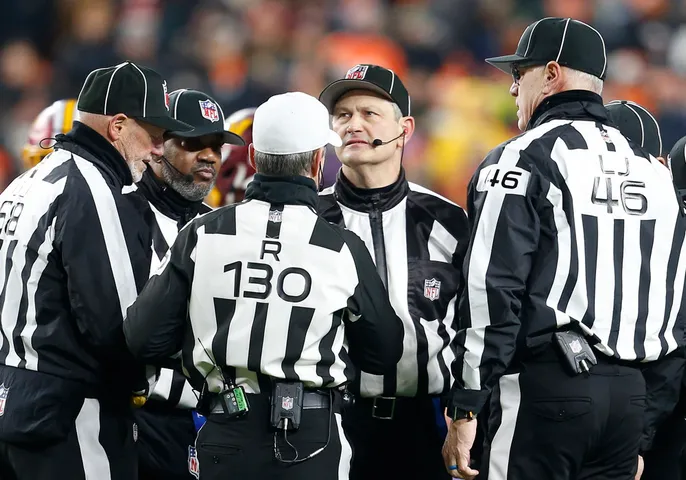
Officials on the field won't necessarily get the final word on whether a player stays in the game. Beginning in 2026, league personnel can consult with on-field officials when considering whether to disqualify a player for a flagrant football or non-football act, even if the act wasn't originally called on the field.
Previously, a missed incident could still result in discipline after the game. The new rule gives the NFL another way to address serious incidents while the game is still being played, potentially removing a player immediately rather than waiting to issue discipline afterward. It's another tool aimed at player safety and keeping players accountable.
The Bottom Line
Overall, the league’s rule changes won’t dramatically alter the game in 2026, but several address areas that needed attention. The changes should improve player safety, close a few loopholes and give coaches more options in key situations. They may not reshape the NFL, but they should make the game a little better and safer along the way.

